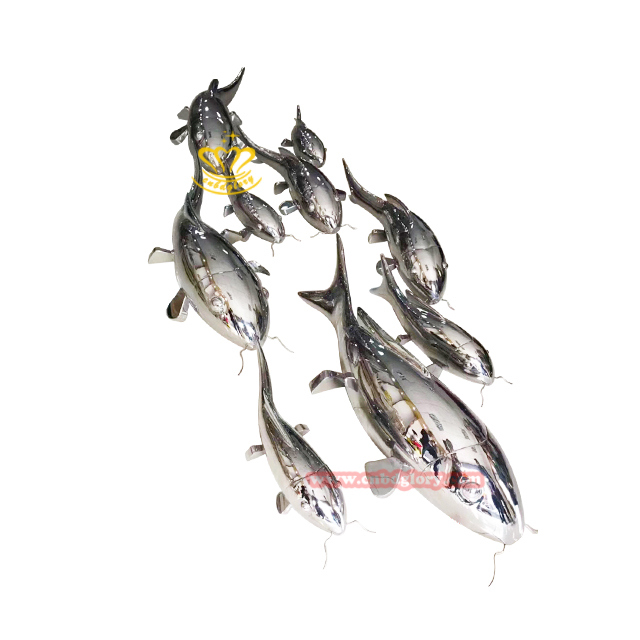
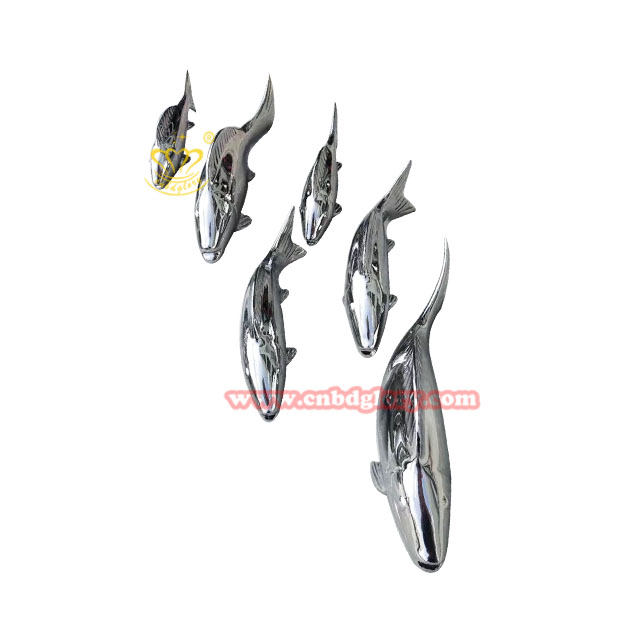
Metal Craftsmanship: Stainless Steel Fish Sculptures
The Creation Process
Once the design is finalized, the next critical step is selecting the optimal grade of stainless steel. This material is chosen for its exceptional resilience, resistance to rust and degradation, and ability to retain a lustrous finish over decades. Depending on the sculpture’s complexity—whether it features intricate cutouts, sweeping contours, or multi-layered structures—craftsmen may opt for 304-grade stainless steel for general use or 316-grade for enhanced corrosion resistance in coastal or high-humidity environments. Some designs utilize thin, flexible stainless steel sheets that can be bent and shaped into flowing forms, while more elaborate pieces require assembling numerous components, each tailored to contribute to the overall composition.
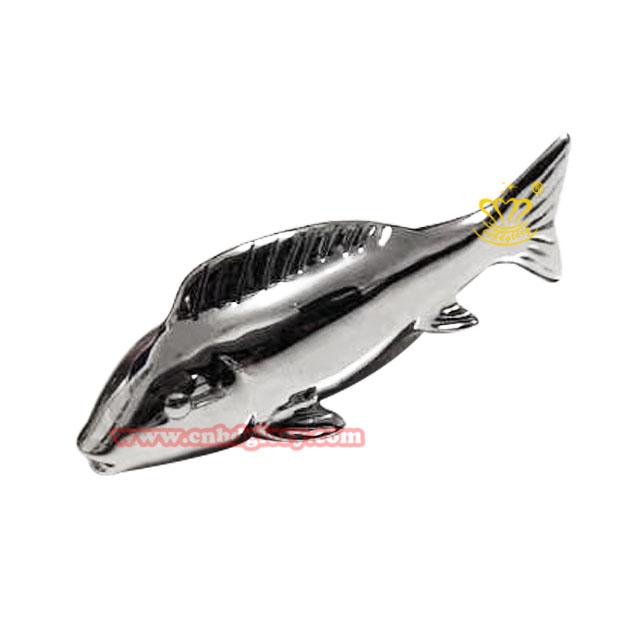
Cutting, shaping, and welding form the backbone of the construction process. Skilled artisans employ an array of specialized tools to transform raw stainless steel into precise components. For basic outlines, plasma cutters slice through metal with remarkable speed, while for intricate details like gill slits, delicate scales, or translucent fins, advanced techniques such as laser cutting or water jet cutting are employed. These methods ensure unparalleled precision, allowing for the creation of delicate, lace-like patterns or sharp, angular edges that define the sculpture’s character. Every cut must align with the design’s exact specifications to guarantee seamless assembly later in the process.
Following the cutting and shaping stages, the sculpture enters the welding and assembly phase, where individual pieces are joined to form a cohesive structure. Artisans use TIG welding for clean, precise joints, carefully fusing each component to maintain the sculpture’s structural integrity while preserving its aesthetic appeal. This step requires immense patience and skill—even the smallest flaw in a weld can compromise the sculpture’s durability or mar its appearance. After welding, the piece undergoes extensive grinding and smoothing, with craftsmen using sanders and grinders of varying grits to eliminate sharp edges, fill minor imperfections, and erase visible weld lines, resulting in a seamless, continuous surface.
The final finishing process elevates the sculpture’s visual impact. Polishing is performed in multiple stages, starting with coarse abrasives to refine the surface and progressing to fine compounds that achieve a mirror-like shine. This polishing enhances the stainless steel’s reflective properties, allowing the sculpture to capture and manipulate light, creating a dynamic interplay that makes the fish appear to glide through space. Some artists opt for alternative finishes, such as brushed stainless steel for a muted, tactile texture or chemical patination to produce warm, earthy hues that evoke aged metal. Others embrace the material’s natural state, showcasing its crisp, metallic luster as a celebration of modernity and industrial beauty.
Placement and Applications
In commercial spaces, stainless steel fish sculptures make a bold statement, elevating the aesthetic of hotels, restaurants, corporate lobbies, and retail environments. Their sleek, contemporary design complements modern architecture, adding a touch of sophistication and artistic flair to reception areas or dining spaces. In hotels, they may be featured in atriums or outdoor terraces, welcoming guests with their elegant forms, while in restaurants, they can enhance thematic decor—whether coastal, minimalist, or avant-garde. Their durability makes them suitable for high-traffic areas, as they withstand the wear and tear of daily use without losing their visual appeal. Additionally, their reflective surfaces can amplify natural light, making spaces feel brighter and more open.
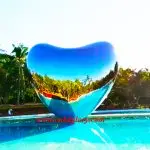
In residential settings, these sculptures bridge indoor and outdoor design, offering versatility that adapts to personal tastes and living environments. Indoors, they can be displayed as statement pieces in living rooms, dining areas, or stairwells, complementing modern, minimalist, or eclectic decor. A small-scale sculpture on a mantel or bookshelf adds a touch of artistic intrigue, while a life-sized piece in an entryway creates a dramatic first impression. Outdoors, they transform gardens, patios, and pool areas, their metallic sheen contrasting beautifully with natural elements like greenery, stone, or water. Placed near a swimming pool, a stainless steel fish sculpture reflects the water’s surface, blurring the line between art and nature, while in a backyard garden, it adds a contemporary twist to traditional landscaping, creating a balanced, harmonious space.
Beyond their decorative function, these sculptures often carry symbolic meaning. Fish are universally associated with prosperity, freedom, and renewal, making stainless steel fish sculptures meaningful gifts or commemorative pieces. In corporate settings, they may symbolize growth and adaptability, while in private residences, they can represent personal journeys or a connection to nature. Their enduring nature ensures that they become heirloom pieces, passed down through generations, retaining their beauty and significance for years to come.
Why Stainless Steel?
The choice of stainless steel as the primary material for these sculptures is rooted in its exceptional properties, which address both aesthetic and practical concerns. Unlike materials such as bronze, which requires regular maintenance to prevent tarnishing, or wood, which is prone to rot and insect damage, stainless steel is virtually maintenance-free. Its resistance to corrosion, rust, and UV radiation ensures that sculptures retain their original appearance even in harsh environments—from coastal regions with salt-laden air to humid tropical climates. This durability means that outdoor installations can remain in place for decades, requiring only occasional cleaning to remove dust or debris.
Stainless steel’s strength is another key advantage, allowing artisans to create sculptures of varying sizes and complexities without compromising structural integrity. From delicate, life-sized pieces to monumental installations spanning several meters, the material’s robustness enables bold, ambitious designs that would be difficult to achieve with more fragile materials. Its malleability also offers creative freedom—artists can bend, shape, and cut stainless steel into intricate forms, from flowing curves to sharp angles, pushing the boundaries of what is possible in metal art.
The material’s reflective quality is a defining aesthetic feature, imbuing sculptures with a sense of lightness and dynamism. Unlike matte materials that absorb light, stainless steel reflects its surroundings, changing appearance with the time of day, weather conditions, and viewing angle. At sunrise, it may glow with warm, golden hues, while on overcast days, it takes on a cool, silvery tone, ensuring that the sculpture remains engaging and ever-changing. This interactivity with light makes each viewing experience unique, inviting observers to engage with the art in new ways.
Additionally, stainless steel is an environmentally sustainable choice. It is 100% recyclable, with a high recycling rate that reduces the demand for virgin materials and minimizes environmental impact. Its longevity further enhances its sustainability—unlike temporary art installations that require frequent replacement, stainless steel sculptures have a long lifespan, reducing waste and conserving resources. For artists and designers committed to eco-friendly practices, stainless steel offers a responsible way to create enduring works of art.
In essence, stainless steel fish sculptures represent the pinnacle of modern metal craftsmanship, merging artistic innovation with technical excellence. Their creation involves a meticulous process of design, fabrication, and finishing, resulting in pieces that are as durable as they are beautiful. Whether enhancing a private garden, a public space, or a commercial environment, these sculptures bring a sense of elegance, dynamism, and timeless appeal to any setting. As symbols of creativity and resilience, they stand as enduring tributes to the power of art to transform spaces and inspire wonder.