The integration of marble statues into fireplace designs has become a captivating trend among homeowners and interior designers alike.
Marble, known for its elegance and durability, adds a touch of sophistication to any living space. Manufacturers of marble statues are now exploring innovative ways to incorporate these stunning pieces into fireplace surrounds, creating a harmonious blend of art and functionality.
These statues can serve as striking focal points, drawing the eye and elevating the overall aesthetic of the room. From classical figures inspired by ancient mythology to modern abstract forms, the variety of designs available caters to diverse tastes and styles.
Moreover, the natural veining and unique textures of marble ensure that each piece is one-of-a-kind, offering a personalized touch to home decor. As consumers increasingly seek to create luxurious environments, the demand for bespoke marble statue fireplaces is on the rise.
Stunning Fireplace Designs
Marble fireplaces have long been revered as timeless centerpieces of interior design, blending functional warmth with artistic grandeur. A creative marble fireplace is more than a heating appliance—it is a masterpiece forged through meticulous craftsmanship, where natural stone’s inherent beauty is elevated by human ingenuity. From the selection of raw marble to the final quality inspection, every step in the production process is a testament to precision, creativity, and uncompromising standards. This article delves into the intricate journey of creating creative marble fireplaces, exploring the production workflow, exquisite carving details, and rigorous quality assurance measures that define exceptional pieces.
The Production Process: From Quarry to Finished Masterpiece
The creation of a creative marble fireplace begins with a critical first step: marble selection. Not all marble is suited for fireplace design—only the highest-grade stone, with consistent coloration, minimal veining irregularities, and exceptional durability, makes the cut. Artisans and geologists collaborate to source marble from renowned quarries around the world, including Carrara in Italy (famous for its white, crystalline marble), Calacatta (known for dramatic gray veining), and Emperador (valued for rich, dark hues). Each slab is inspected for structural integrity, with ultrasonic testing used to detect hidden cracks or impurities that could compromise the fireplace’s stability. Once selected, the slab is carefully extracted using diamond-tipped saws to minimize waste and preserve the stone’s natural beauty.
Next comes block processing and sizing. The raw marble block is transported to the workshop, where it undergoes a series of precision cuts to form the basic structure of the fireplace. This stage requires advanced machinery, such as CNC (Computer Numerical Control) routers and bridge saws, which ensure accuracy within 0.1 millimeters. The block is first cut into large panels for the fireplace surround, hearth, and mantel, with each piece sized according to the design specifications—whether a sleek modern minimalist model or an ornate traditional carved fireplace. During this phase, artisans also pay close attention to the marble’s grain direction, aligning cuts to enhance the stone’s natural veining and create a harmonious visual flow.
After sizing, the marble pieces move to shaping and profiling. For creative designs, this step is where the fireplace’s unique character begins to take shape. Curved edges, intricate arches, and custom silhouettes are crafted using specialized tools—from hand-held grinders for subtle contours to automated profiling machines for precise geometric shapes. For example, a contemporary fireplace might feature clean, angular lines with polished edges, while a Renaissance-inspired design could include sweeping curves and decorative moldings. Artisans often work in tandem with designers at this stage, refining shapes to ensure they align with the overall creative vision while maintaining structural soundness.
The final phase of production before carving is surface preparation. The marble pieces are subjected to multiple stages of grinding and polishing to achieve the desired finish. This process starts with coarse abrasives to smooth out any imperfections from cutting and shaping, followed by progressively finer grits to create a glossy, reflective surface. For creative designs that incorporate mixed finishes—such as a polished mantel paired with a honed (matte) surround—artisans carefully mask off sections to apply different treatments. Some designs also include textured surfaces, created using sandblasting or brushing techniques, which add depth and tactile interest to the fireplace. Throughout surface preparation, quality checks are conducted to ensure uniformity in finish, with no scratches, pits, or discoloration.
Carving Details: Artistry in Stone
Carving is the heart of creative marble fireplace design, transforming raw stone into a work of art. This process requires a unique blend of technical skill, artistic talent, and patience—qualities that have been honed over generations by master carvers. The carving process typically begins with design transfer, where the creative concept is translated onto the marble surface. For intricate designs, this involves tracing patterns onto the stone using stencils or projecting digital designs onto the surface; for more organic, free-form carvings, artisans may sketch directly on the marble, allowing the stone’s natural veining to inspire their work.
Traditional Hand Carving
Traditional hand carving is a labor-intensive process that showcases the carver’s mastery.
Using a range of tools—including chisels, gouges, mallets, and rasps—artisans carefully remove marble to reveal the design.
For example, a floral motif might start with outlining the petals using a pointed chisel, then shaping each petal with a curved gouge to create depth and dimension. Carvers must work with extreme precision, as marble is a relatively soft stone (compared to granite) and can chip or crack if struck too forcefully. The key is to apply controlled pressure, gradually refining details until the design emerges in three-dimensional relief.
Hand carving is particularly valued for creative designs that require nuance and expressiveness, such as figurative carvings, intricate scrollwork, or custom family crests. Each stroke of the chisel is intentional, reflecting the carver’s artistic vision and deep understanding of the stone’s properties.
Modern CNC Carving
In addition to traditional hand carving, many creative marble fireplaces incorporate modern CNC carving technology, which combines precision with efficiency. CNC routers equipped with diamond-tipped bits can execute complex designs with unparalleled accuracy, replicating intricate patterns across multiple fireplace components.
This technology is especially useful for large-scale productions or designs that require consistent repetition, such as geometric patterns or symmetrical motifs. However, CNC carving is not a replacement for hand craftsmanship—rather, it is often used in conjunction with hand finishing. After the CNC router completes the initial carving, master carvers refine the details by hand, adding subtle nuances and correcting any minor imperfections. This hybrid approach allows for the best of both worlds: the precision of technology and the artistry of human touch.
Creative Carving Techniques and Details
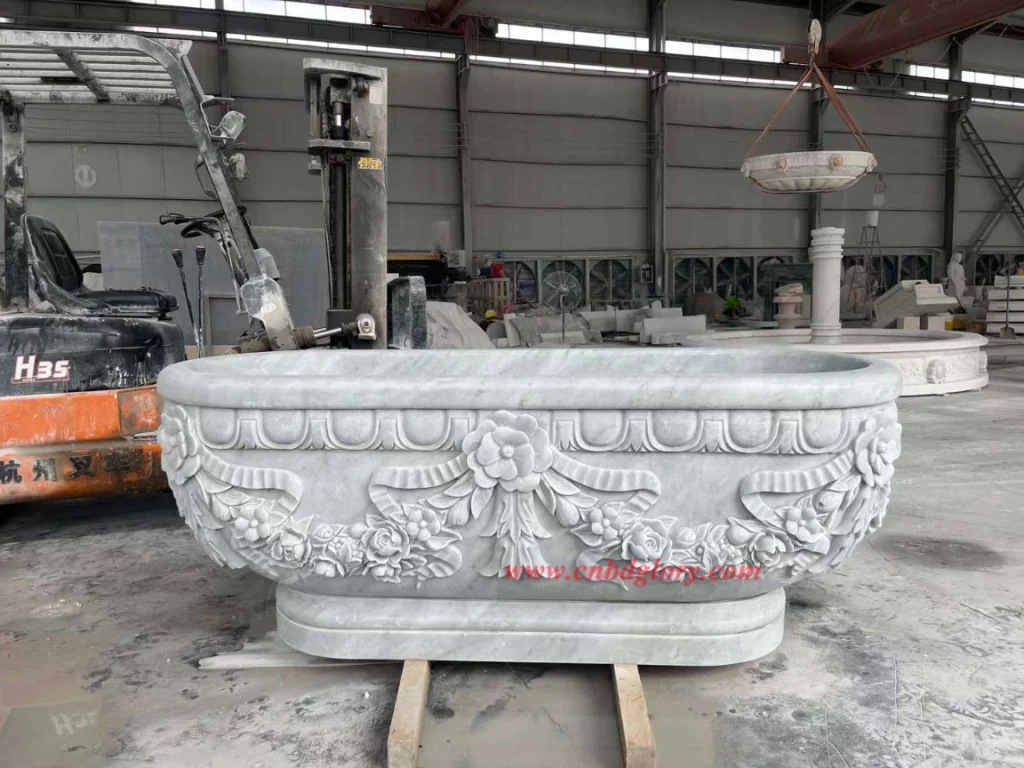
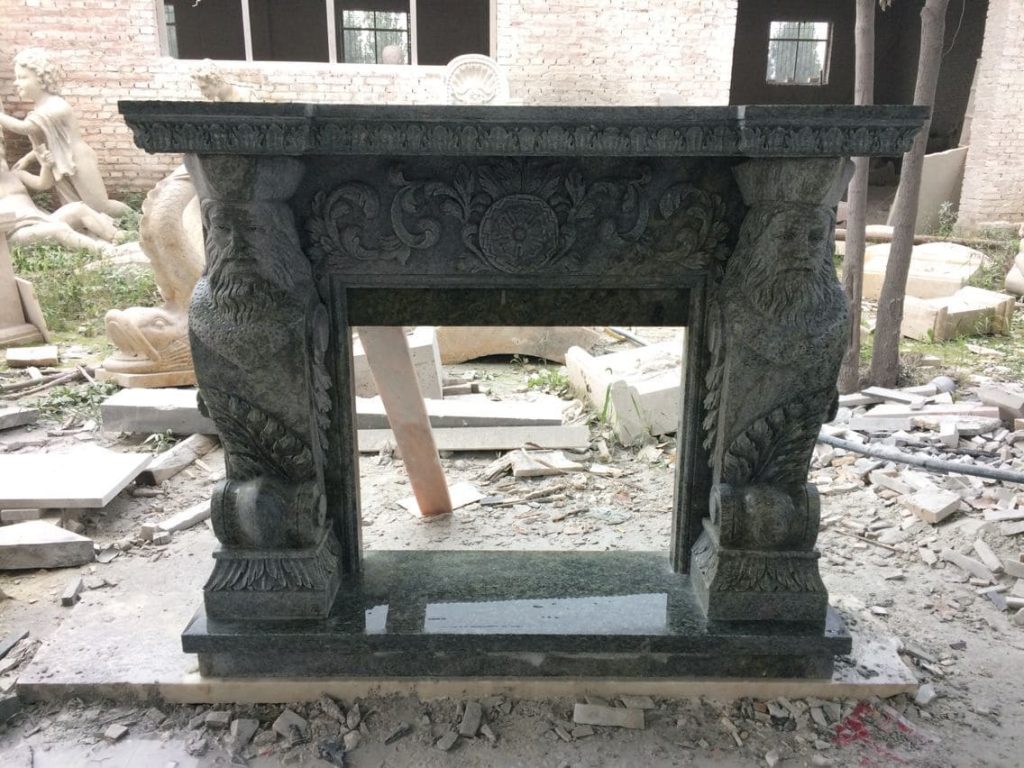
Creative marble fireplace designs feature a wide range of carving techniques and details, each contributing to the piece’s unique aesthetic. One popular technique is relief carving, where the design is raised from the marble surface, creating a sense of depth. Relief carving can be low (bas-relief), where the design is slightly raised, or high (alto-relievo), where elements project significantly from the stone—ideal for dramatic, eye-catching designs. Another technique is intaglio carving, where the design is recessed into the marble, creating a subtle, elegant effect often used for inscriptions or decorative borders.
Intricate details are what set creative marble fireplaces apart. For traditional designs, this might include acanthus leaves, scrolls, and rosettes—classic motifs that evoke timeless elegance. Carvers pay careful attention to the natural curves of leaves, the spiral of scrolls, and the texture of petals, ensuring each detail is lifelike and harmonious. For modern creative designs, carving details might be more abstract—geometric shapes, flowing lines, or asymmetrical patterns that reflect contemporary design trends. Some fireplaces even incorporate mixed media, with marble carving paired with metal accents or glass elements to create a truly unique look.
A key aspect of carving details is proportion and balance. Whether the design is ornate or minimalist, carvers must ensure that each element complements the overall structure of the fireplace. For example, a large, elaborate mantel carving should be balanced by simpler details on the surround, while a small fireplace might feature delicate, intricate carvings that do not overwhelm the space. Carvers also consider the scale of the room where the fireplace will be installed, adjusting the size and intensity of carving details to ensure the piece fits seamlessly into its environment.
Quality Assurance: Ensuring Durability and Beauty
A creative marble fireplace is an investment, and quality assurance is paramount to ensuring it stands the test of time—both in terms of durability and aesthetic appeal. Quality control measures are integrated into every stage of the production process, from marble selection to the final inspection.
Material Quality Checks
The first line of quality assurance is rigorous material testing. Before any processing begins, each marble slab is inspected for strength, density, and resistance to heat and moisture—critical properties for a fireplace, which must withstand high temperatures and potential exposure to water. Tests include compression strength testing (to ensure the marble can support the weight of the mantel and other components), water absorption testing (to prevent staining and damage), and thermal shock testing (to ensure the stone does not crack when exposed to sudden temperature changes). Only marble that meets strict standards—typically exceeding industry benchmarks for natural stone—proceeds to production.
Production Quality Control
During production, quality checks are conducted at every stage to identify and address issues early. For example, after cutting and shaping, each piece is measured against design specifications using precision tools such as calipers and laser levels to ensure accuracy. Surface preparation is inspected for uniformity in finish, with any defects (such as scratches or uneven polishing) corrected immediately. Carving details are reviewed by master artisans to ensure they align with the design and meet quality standards—no detail is too small, from the sharpness of a chisel edge to the smoothness of a curved surface.
Structural Integrity Testing
A fireplace must not only be beautiful but also safe and structurally sound. Structural integrity testing is a critical part of quality assurance, particularly for creative designs that may feature complex shapes or large, unsupported elements. Tests include load-bearing capacity testing (to ensure the mantel can support decorative items without sagging) and stability testing (to ensure the fireplace remains secure when installed). For fireplaces with carved arches or curved components, engineers may conduct finite element analysis (FEA) to simulate stress and strain, ensuring the design can withstand normal use and environmental conditions.
Finished Product Inspection
The final quality check occurs when the fireplace is fully assembled (or prepared for assembly). Inspectors examine every aspect of the finished product, from the alignment of components to the quality of carving details and surface finish. They check for any cracks, chips, or blemishes that may have occurred during production or transportation, and ensure that all components fit together seamlessly. For custom creative designs, the finished fireplace is compared to the original design concept to ensure every detail has been executed as intended. Only after passing all inspections is the fireplace packaged and prepared for delivery, with protective materials used to prevent damage during transit.
Warranty and After-Sales Support
Quality assurance extends beyond production with comprehensive warranty and after-sales support. Reputable manufacturers offer warranties that cover defects in materials and workmanship, giving customers peace of mind in their investment. Additionally, many companies provide guidance on installation, maintenance, and care to help customers preserve the beauty and durability of their marble fireplace. This includes recommendations for cleaning products (avoiding acidic or abrasive cleaners that can damage the stone), sealing schedules (to protect against staining), and tips for preventing damage from heat or impact.
Conclusion
Creative marble fireplace designs are the result of a harmonious blend of nature’s beauty and human craftsmanship.
From the careful selection of premium marble to the intricate carving details and rigorous quality assurance measures, every step in the production process is designed to create a piece that is both visually stunning and built to last.
Whether hand-carved by master artisans or crafted using a combination of traditional and modern techniques, a creative marble fireplace is more than a functional appliance—it is a work of art that adds warmth, elegance, and character to any space. For homeowners and designers seeking a centerpiece that combines creativity, quality, and timeless appeal, a marble fireplace is an unparalleled choice—one that will be cherished for generations to come.
Creative Marble Fireplace Designs
Additionally, these installations can significantly enhance property value, making them a worthwhile investment for homeowners.
As this trend continues to evolve, marble statue manufacturers are likely to push the boundaries of creativity, crafting pieces that not only serve as functional elements but also as captivating works of art that tell a story.
FAQ
- How can I place the order How do you control the quality?
After all details of the order were confirmed, we will send you our signed and stamped proforma invoice. We first will do a clay model as per your picture,let you check first,After confirming no problem we will arrange the production. - What are your payment terms?
Can pay 30% despoit before Production,You can transfer the deposit byT/T (wire transfer), Paypal, Western Union, MoneyGram, Credit Card etc,You could also place the orderbyTrade Assurance on Alibaba which will protect your payment secure and benefit throughly. - Do you accept retail custom order? Do you also make customized design?
We can make different size as per you drawings and pictures.we do accept retail order. - Can I get an additional discount?
If order quantity is big,there maybe Price is very favourable. Welcome to talk with us about your demands. - Are you sure the packing will be excellent?
Yes, weensure that our packing is safe enough. We use strong wooden crates and metal strips for outside packing. Inside, we use shockproof plastic film to protect the products. - Could you supply Door-to-Door Delivery How long can my order be finished?
Yes, we are very good at Door to Door Delivery, please inform me your detailed address, then I will quote you the freight cost to your home directly.It will depend on your order quantity and the complexity of products you purchased. Normally one container order needs 21-30days. - How do we ship the goods? If there have damage happens during the transportation, who will be responsible for that?
We will quote you the ocean freight, If the goods is not large, it will be loaded by air freight or Express. In addition, we will buy all risks insurance as per your requirement. In the case of damage happens, firstly you can refer to the insurance company to claim the damage. If the damage occurred due to the fault of packing, our company will take our responsibility.
Hot Products